Service 06

Vacuum excavation and potholing in Arizona

Get peace of mind through preventative soft digging. In the congested and unknown areas of your project, we expose what is already in the ground before a bucket or a drill gets near it.

In short

Vacuum excavation is a way of digging with pressurized water or air and a powerful vacuum instead of a bucket. Potholing, also called daylighting, uses it to open a small hole over a buried utility so its exact position and depth can be seen and measured before trenching, boring or excavating nearby.

01 — What it is

Digging that will not damage what it finds.

An excavator bucket does not know the difference between dirt and a fiber duct. Vacuum excavation does. The soil is loosened with a controlled jet and lifted through a hose into a debris tank on the truck, which leaves the pipe, conduit or cable sitting intact in the bottom of a clean hole.

That is why it is often called soft dig, and it is the method to reach for wherever the cost of hitting something is high: an energized feeder, a gas line, a communications trunk, or anything serving a building that cannot go dark.

A

Potholing

A small test hole dug straight down to a utility to confirm where it is and how deep.

B

Daylighting

Another word for the same thing. The buried line is brought into daylight.

C

Soft dig

Any excavation done with water or air and vacuum instead of a blade or bucket.

D

Hydro excavation

Soft dig that uses pressurized water. Spoils leave as a slurry in the truck's tank.

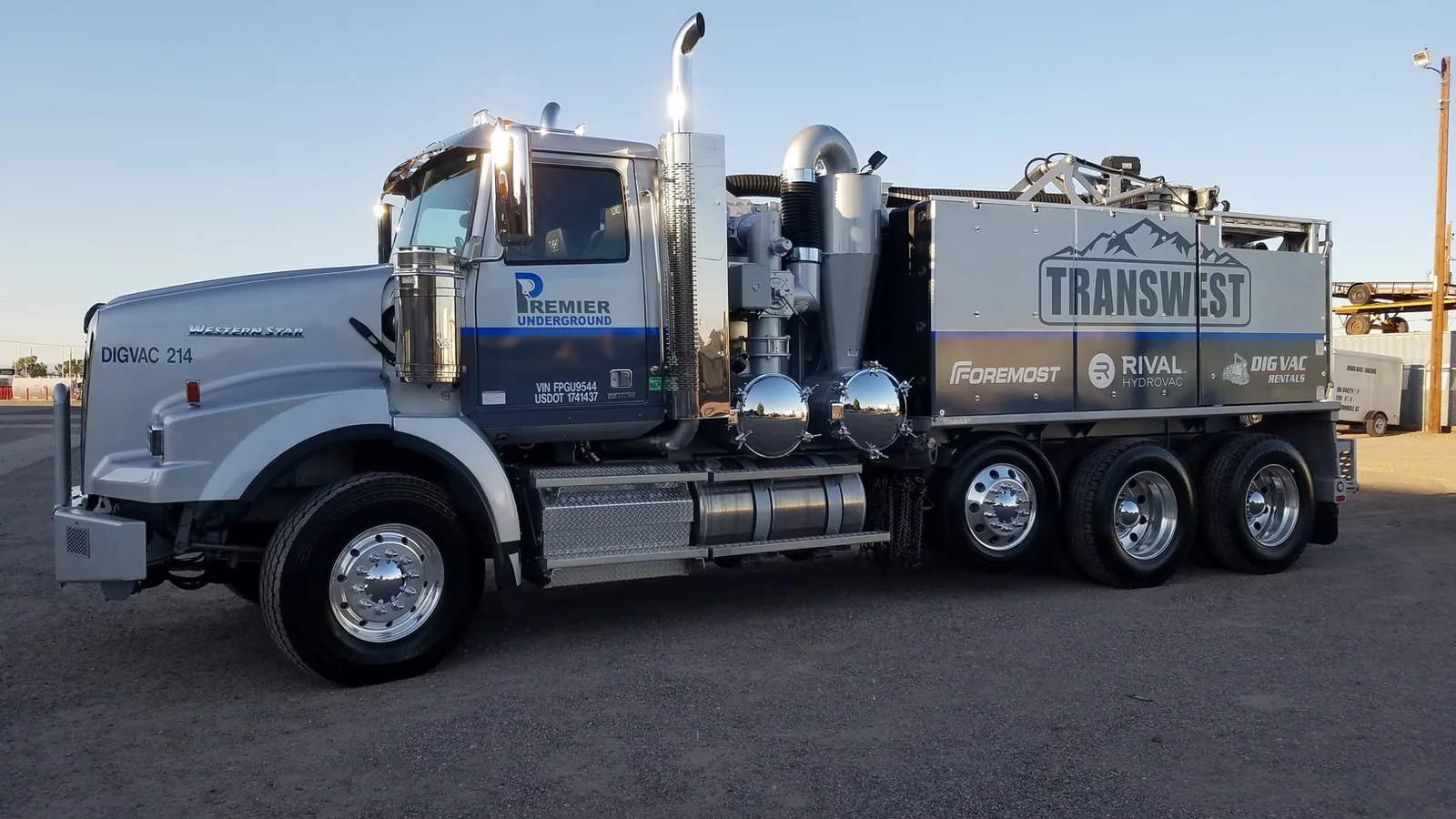
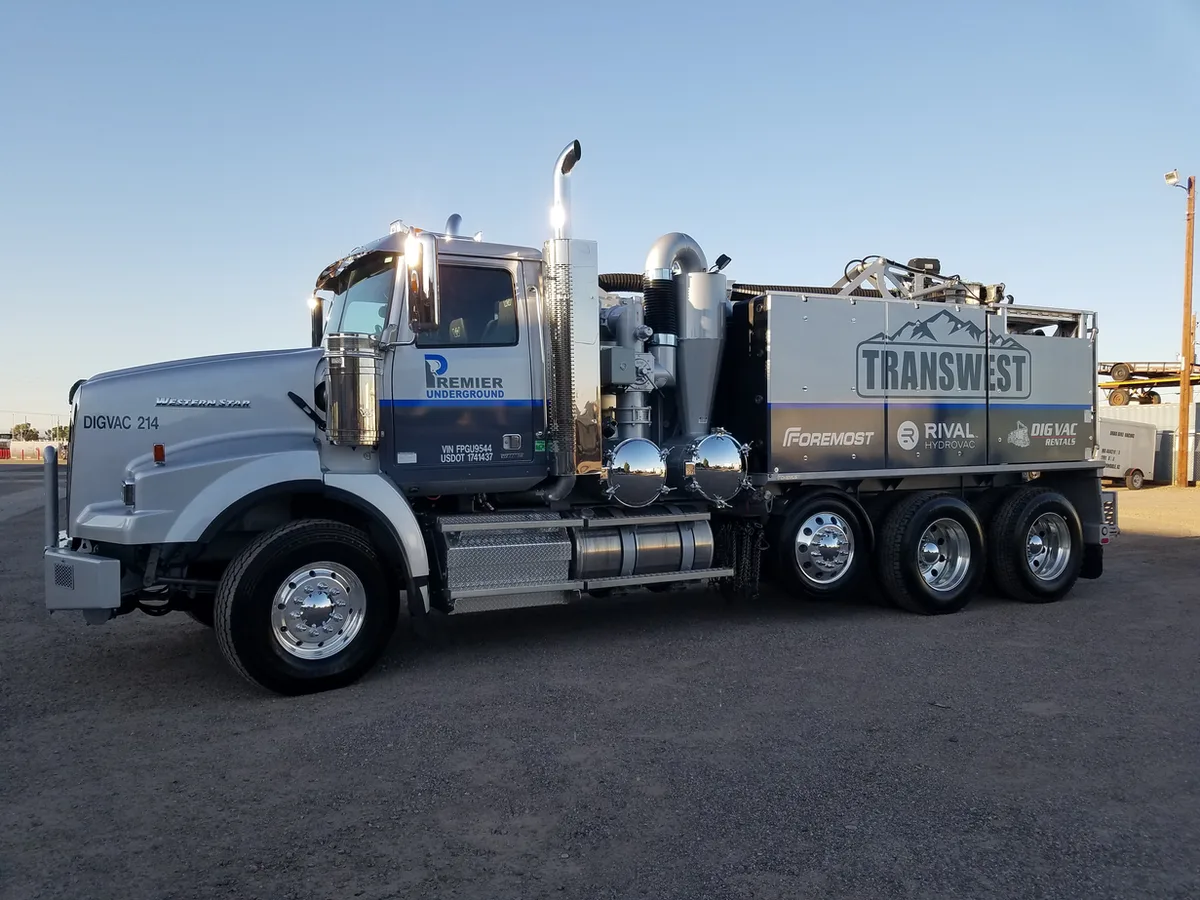
Hydro-vacuum excavation truck with the Premier Underground logo on the door, parked at golden hour
Our hydro-vacuum excavation truck.

02 — Why it matters

Why potholing reduces risk.

Because it replaces an assumption with a measurement. Everything you know about a buried utility before it is exposed is an estimate.

Record drawings show where a line was meant to go. Locate marks show roughly where it runs along the surface. Neither tells you with certainty how deep it is, how big it is, or whether a second line is sitting beside it. A pothole does.

  • Fewer utility strikes, and the injuries, outages and repair claims that follow them
  • Conflicts found while the route can still be adjusted, not after the trench is open
  • Real depths for planning a directional bore over or under a crossing
  • Crews that can dig the rest of the run at production pace, because the unknowns are gone
  • Less schedule lost to stopping, hand digging and waiting on a utility owner

03 — 811 and potholing

What locate marks tell you, and what a pothole adds.

Contacting Arizona 811 before digging is the first step on every job. Potholing is the second. It confirms what the marks indicate.

What you need to knowLocate marks and recordsA pothole
Is there a utility here?Indicated, for the lines the locate covers.Confirmed by eye.
Where does it run?Approximate path marked on the surface.Actual position at that point, measured.
How deep is it?Generally not shown.Measured from the surface to the line.
What size and type is it?Type by paint color. Size only if the records say.Seen directly: size, material and condition.
Is anything else beside it?Only if it was located and marked.Visible within the hole.
01

Before the route is final

Pothole the likely conflicts early and a clash becomes a design change, not a field problem.

02

Before trenching or boring

Expose each crossing so the crew knows what is there and how much clearance they have.

03

During excavation

Soft dig the last stretch around known lines where a bucket is too risky.

04 — Scope

Where we use vacuum excavation.

Anywhere the ground is crowded, the records are thin, or the line you might hit is one nobody can afford to lose.

  • Potholing existing utilities ahead of trenching and excavation
  • Exposing crossings along a directional bore path
  • Verifying depth and position at tie-in points
  • Preventative soft digging in congested corridors
  • Uncovering a line along its length so new work can go in beside it
  • Careful digging around existing vaults, pull boxes and structures

It earns its place on the sites we know best: hospital campuses with decades of buried services, working airports, data centers with live feeds, and downtown streets where every utility shares the same narrow strip.

Project experience

Congested ground, critical paths.

This is the kind of job where knowing exactly what is underground decides how the work goes.

Healthcare · Critical underground infrastructure

Banner Behavioral Health

Delta Diversified / Oakland

  • 2New feeds, primary and secondary
  • APSUtility provider specification

Working in conjunction with Arizona Public Service, we trenched for a new primary and secondary feed through a highly congested area with critical paths, and installed all underground conduit systems to the utility provider's specification.

All project experience

05 — How we do it

From locate marks to a verified utility.

Potholing is only worth the money if what it finds reaches the people planning the dig. Here is how we make sure it does.

  1. Preconstruction

    Decide where to look

    Our estimators review the plans with you and flag the crossings, tie-ins and congested stretches that should be exposed. That scope is written into the contract and handed to operations with the rest of the job.

  2. Before digging

    Start with the locates

    Potholing follows the locate marks. It does not replace them. The crew completes a job safety analysis for the work before the truck sets up.

  3. Field

    Expose the line

    The operator loosens the soil and vacuums it out until the utility is visible, keeping the hole only as large as it needs to be.

  4. Field

    Measure and pass it on

    What the hole shows goes to the superintendent and project manager, and into the daily planning meeting, so the trench or bore is laid out around what is really there.

  5. Field

    Protect or backfill

    Holes that will be dug through are protected until the crew reaches them. The rest are backfilled, and any pavement is put back through our restoration scope.

  6. Quality

    Check the work

    Quality control site visits look at the job while there is still time to adjust direction, and field leadership records the daily trench inspections digitally once excavation is under way.

Soft dig is part of how we keep people safe

Safety at Premier does not have a project size requirement. It is prioritized on every job, every day, and finding utilities before we dig is one of the plainest ways to act on that. Read about our safety program and how we run a job.

06 — Quick answers

Potholing and soft dig questions.

What is potholing in construction?

Potholing is digging a small, careful test hole down to a buried utility so it can be seen and measured. It is also called daylighting, because it brings the line into daylight. The hole confirms where the utility really is and how deep it sits before any trenching, boring or excavation happens nearby.

Is potholing still needed after contacting Arizona 811?

Contacting Arizona 811 before digging is the first step on any job. The marks show roughly where a utility runs along the surface. Potholing confirms what the marks indicate by exposing the line, so its actual position and depth can be measured before work starts around it.

What is the difference between vacuum excavation and hydro excavation?

Vacuum excavation is the general term for loosening soil without a blade or bucket and removing it with a vacuum. Hydro excavation is vacuum excavation that uses pressurized water to loosen the soil. Air excavation uses compressed air instead. Soft dig is an informal name that covers all of them.

When should utilities be potholed?

As early as the information is useful. Potholing before the route is final lets a conflict be designed around instead of discovered. Potholing before trenching or a directional bore confirms each crossing. During excavation, soft digging is used to work close to lines that are already known to be there.

Can vacuum excavation be used for more than potholes?

Yes. Beyond single test holes, we use soft digging for preventative excavation in congested and unknown areas, such as uncovering a line along its length or opening the ground around existing utilities so new work can be installed beside them.

Your job. Your way.

Not sure what is under your site?

Send the plans and tell us where the ground is crowded or the records are thin. We will price the potholing along with the trench, bore or excavation it protects.

Premier Underground Construction, LLC
575 N Eliseo Felix Jr Way, Avondale, AZ 85323
623-748-9650 · estimating@premierunderground.com
Serving all of Arizona since 2004